
Printable Glycemic Index Chart
Printable Glycemic Index Chart - Web the glycemic index, or gi, uses a scale of numbers from 1 to 100 to rank carbohydrate foods by how quickly a serving size of each raises blood sugar. Low glycemic foods slow down sugar absorption, helping in maintaining stable glucose levels. Folks trying to manage blood sugar, lose weight, or just aiming for a healthier diet often find navigating food choices tricky. A low gi is a sign of better quality. Web the glycemic index chart below uses a scale of 1 to 100 for glycemic index and 1 to 50 for glycemic load values, glucose having the highest gi value of 100 and gl of 50. Foods are categorized as low gi (55 or less), medium gi (56 to 69) and high gi (70 or more). Web the glycemic index of a food refers to the effect the food has on the body’s blood sugar levels. The glycemic index chart (get this free pdf copy) categorizes foods based on their gi values, helping individuals choose foods that will more favorably impact their blood sugar levels. Foods with a high gi increase blood sugar higher and faster than foods with a low gi. Foods with a high gi increase blood sugar higher and faster than foods with a low gi. Foods with a high gi. The glycemic index (gi) is a measure of the effect carbohydrates have on blood glucose levels. Foods with a high gi increase blood sugar higher and faster than foods with a low gi. Here's an example of how foods are categorized: For instance a food with a glycemic index of 30 doesn’t raise the blood. Web the glycemic index (gi) chart for carbohydrates fruits: Foods with a higher gi value are more likely to spike your blood sugar than foods with a lower gi. Web the glycemic index (gi) is a measure of how fast a food raises the blood sugar level. Web glycemic index chart. It is a sign of the quality of carbohydrates. Restorebalance.net glycemic index and glycemic load free printable. The glycemic index chart (get this free pdf copy) categorizes foods based on their gi values, helping individuals choose foods that will more favorably impact their blood sugar levels. They are grouped according to range and food type. Web answer from pankaj shah, m.d. Blood sugar levels are raised after a person. Web the glycemic index charts below lists common foods followed by their serving size and glycemic index number, according to the gi database compiled by the university of sydney and cited by the usda. The glycemic index chart (get this free pdf copy) categorizes foods based on their gi values, helping individuals choose foods that will more favorably impact their. Foods are categorized as low gi (55 or less), medium gi (56 to 69) and high gi (70 or more). There are three gi categories: Eating foods with a lower gi may result in a more gradual rise in your blood sugar level. Low glycemic foods slow down sugar absorption, helping in maintaining stable glucose levels. Blood sugar levels are. Web serving size glycemic index glycemic load for more info: Blood sugar levels are raised after a person eats foods containing carbohydrates The higher the gi, the greater the effect on blood sugar levels. Web the glycemic index chart below uses a scale of 1 to 100 for glycemic index and 1 to 50 for glycemic load values, glucose having. Foods with a high gi. Web the glycemic index, or gi, uses a scale of numbers from 1 to 100 to rank carbohydrate foods by how quickly a serving size of each raises blood sugar. A low gi is a sign of better quality. The glycemic index classifies foods that contain carbohydrates according to their potential to raise blood sugar.. How the glycemic index chart works. Web this page provides a comprehensive gi index chart and their corresponding glycemic index and glycemic load values for easy reference. Here's an example of how foods are categorized: Web the glycemic index of a food refers to the effect the food has on the body’s blood sugar levels. Web the glycemic index chart. Foods with a high gi. Foods with high glycemic index values tend to raise blood sugar higher, faster and for a longer time than do foods with lower values. Foods with a high gi increase blood sugar higher and faster than foods with a low gi. The glycemic index classifies foods that contain carbohydrates according to their potential to raise. Low glycemic foods have a slower, smaller effect. Foods with a higher gi value are more likely to spike your blood sugar than foods with a lower gi. Web below you will find a printable glycemic index chart in pdf format, featuring over 100 different foods and their corresponding gi values. Low glycemic foods slow down sugar absorption, helping in. Folks trying to manage blood sugar, lose weight, or just aiming for a healthier diet often find navigating food choices tricky. The glycemic index chart (get this free pdf copy) categorizes foods based on their gi values, helping individuals choose foods that will more favorably impact their blood sugar levels. Web to help you understand how the foods you are eating might impact your blood glucose level, here is an abbreviated chart of the glycemic index and glycemic load, per serving, for more than 100 common foods. Eating foods with a lower gi may result in a more gradual rise in your blood sugar level. Foods with a higher gi value are more likely to spike your blood sugar than foods with a lower gi. Complete up to date table of glycemic index values collected from all available studies. Web this page provides a comprehensive gi index chart and their corresponding glycemic index and glycemic load values for easy reference. Understanding the gi values of specific foods can help reduce harmful spikes in blood sugar, as sugars and carbohydrates are broken down and your metabolism releases insulin to aid in digestion. Blood sugar levels are raised after a person eats foods containing carbohydrates Gi chart for 600+ common foods that is updated constantly. Because carbohydrates, or carbs, such as rice, pasta, bread, and fruit, raise blood sugar more, and more quickly, than fats or proteins do. Web the glycemic index of a food refers to the effect the food has on the body’s blood sugar levels. Foods with a high gi increase blood sugar higher and faster than foods with a low gi. There are three gi categories: Web glycemic index chart. Foods with a low gi typically release sugar slowly when consumed, causing a slower increase in blood sugar.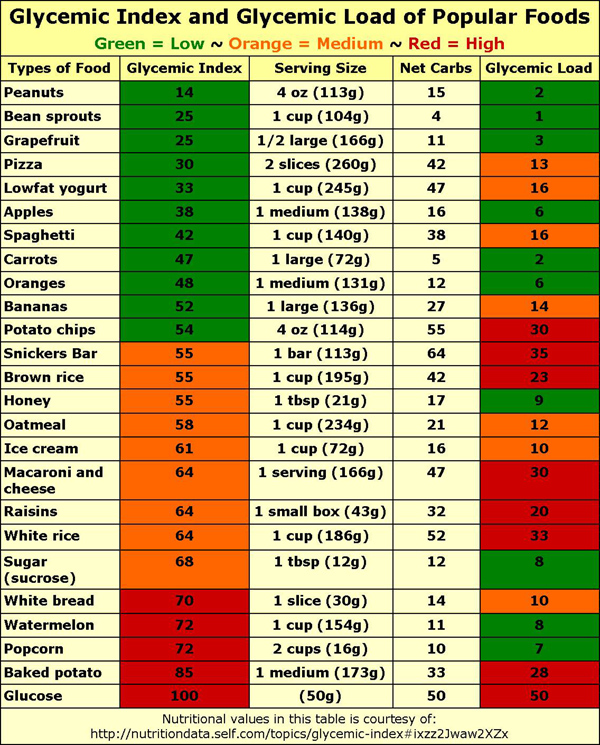
Low Glycemic Index Foods The Safe Route Avoiding Pitfalls

Printable Glycemic Index Food Chart Images and Photos finder
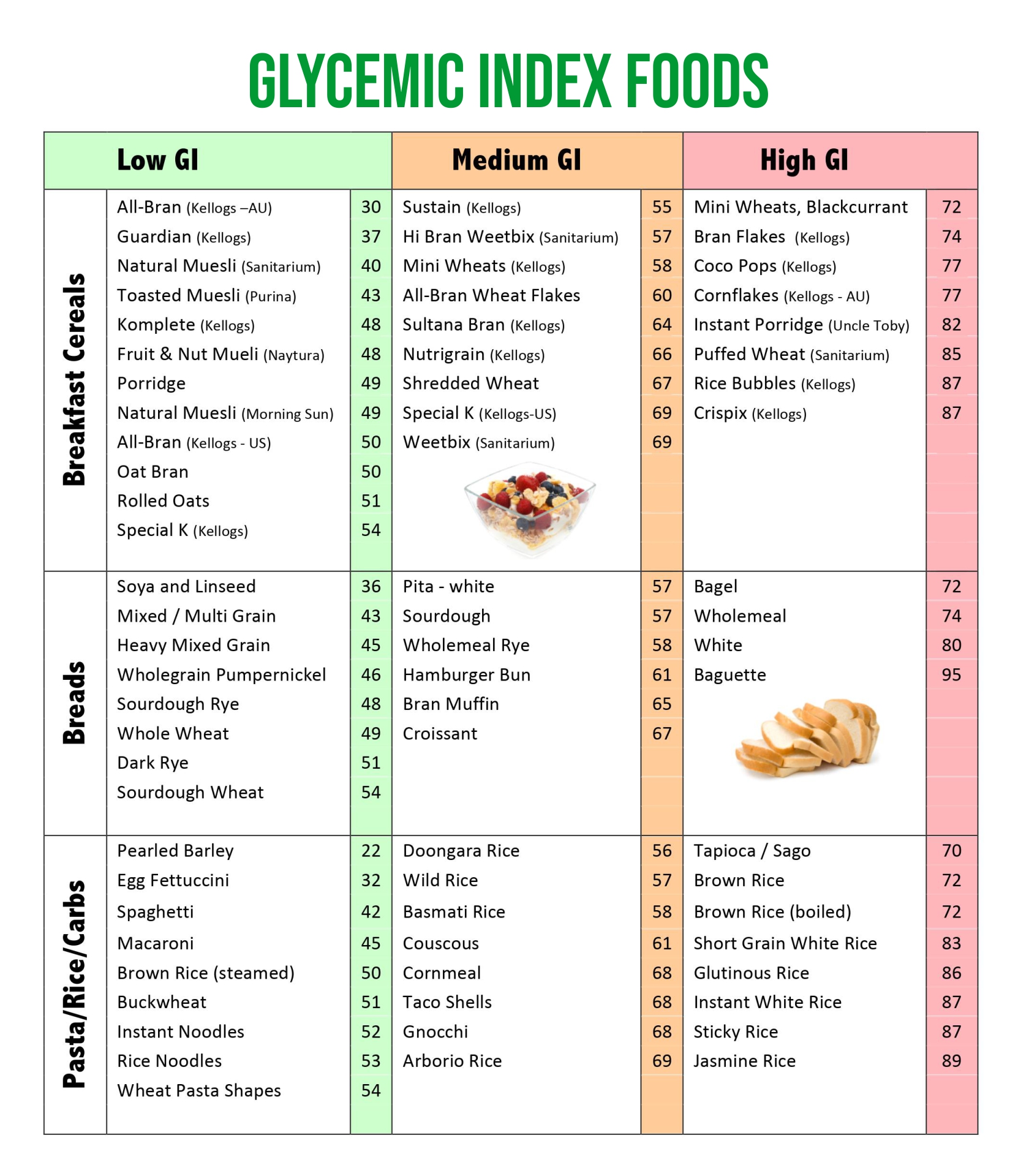
Glycemic Index Printable Chart
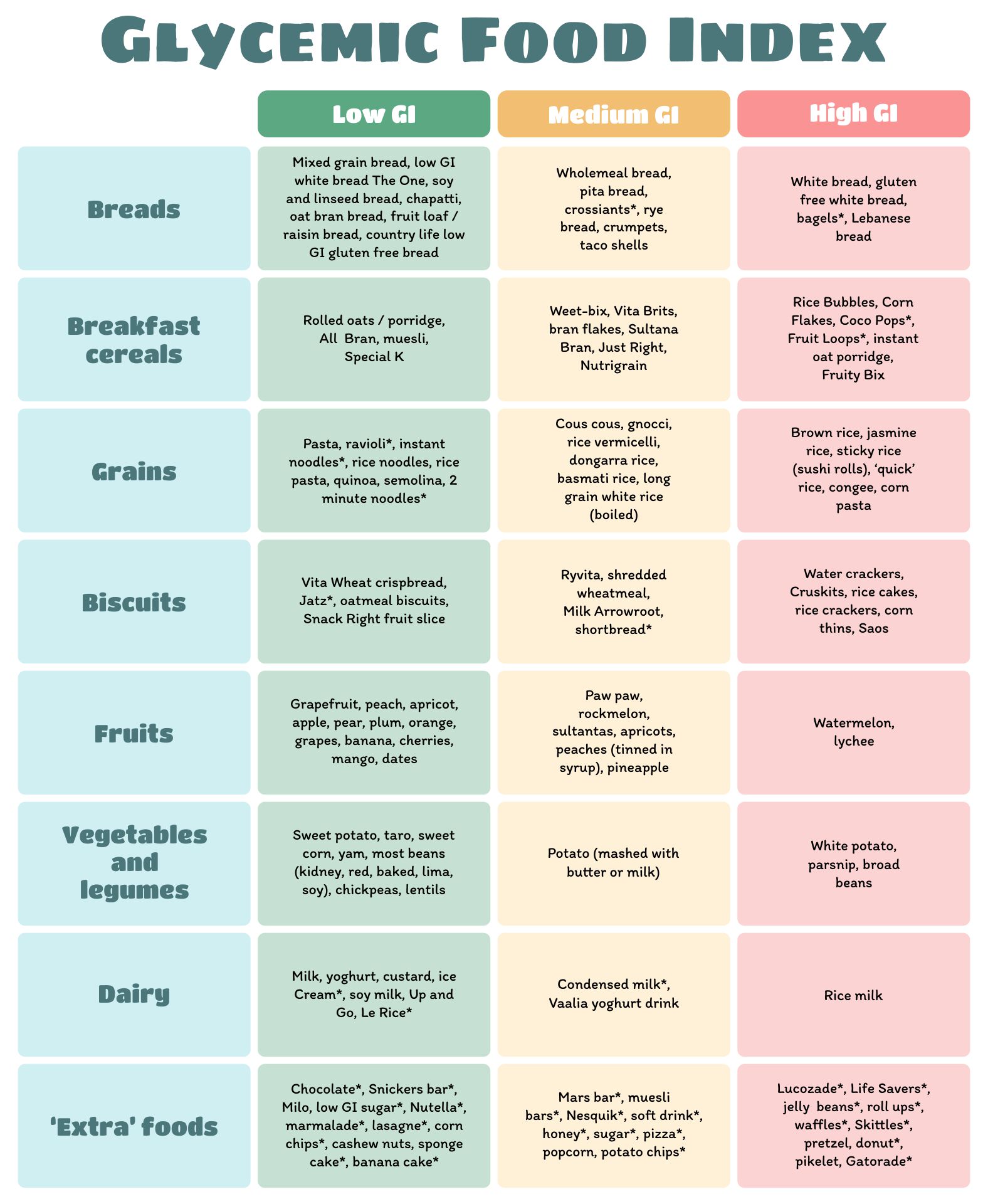
Low Glycemic Food Chart 20 Free PDF Printables Printablee
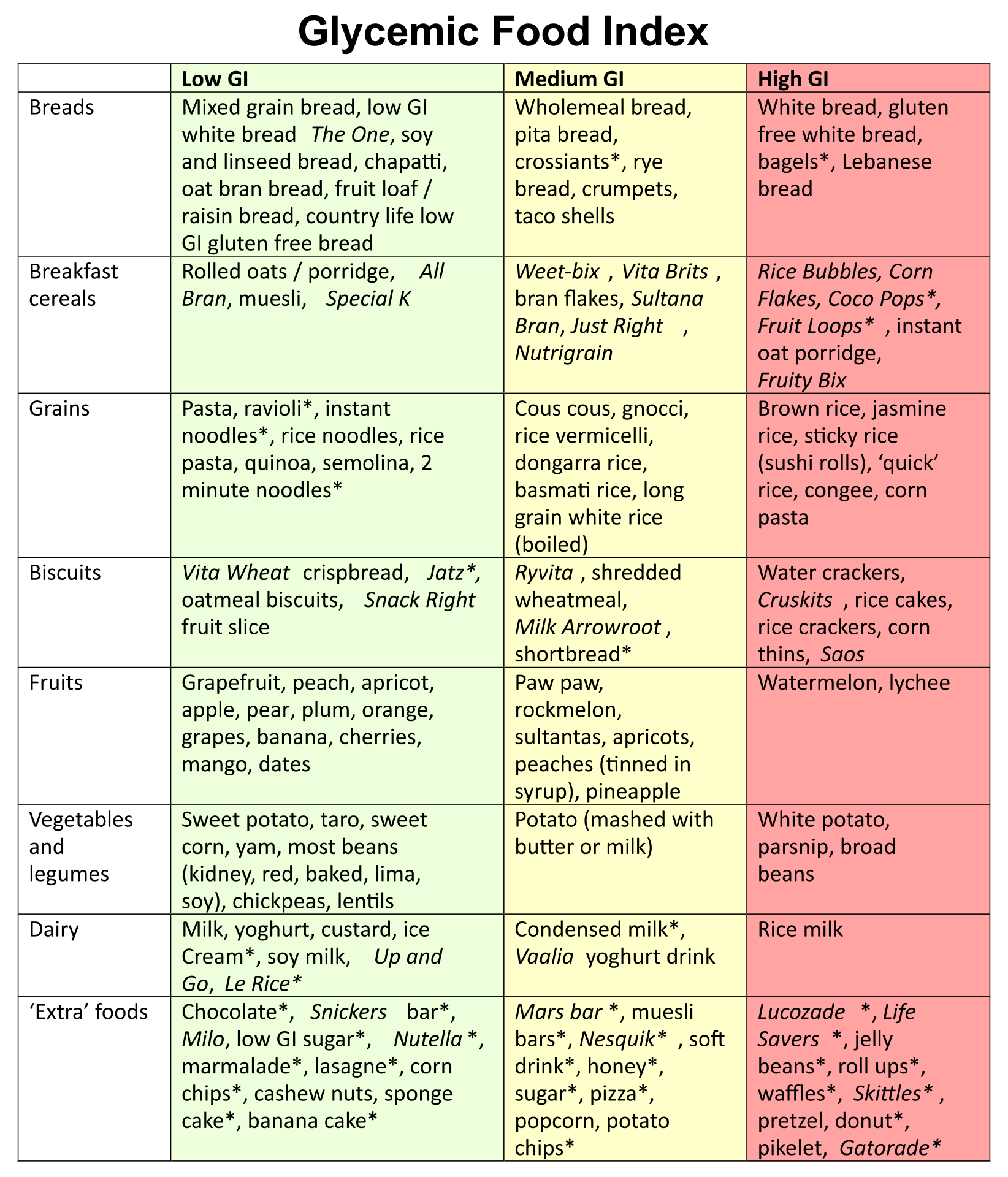
Printable Glycemic Index Food Chart
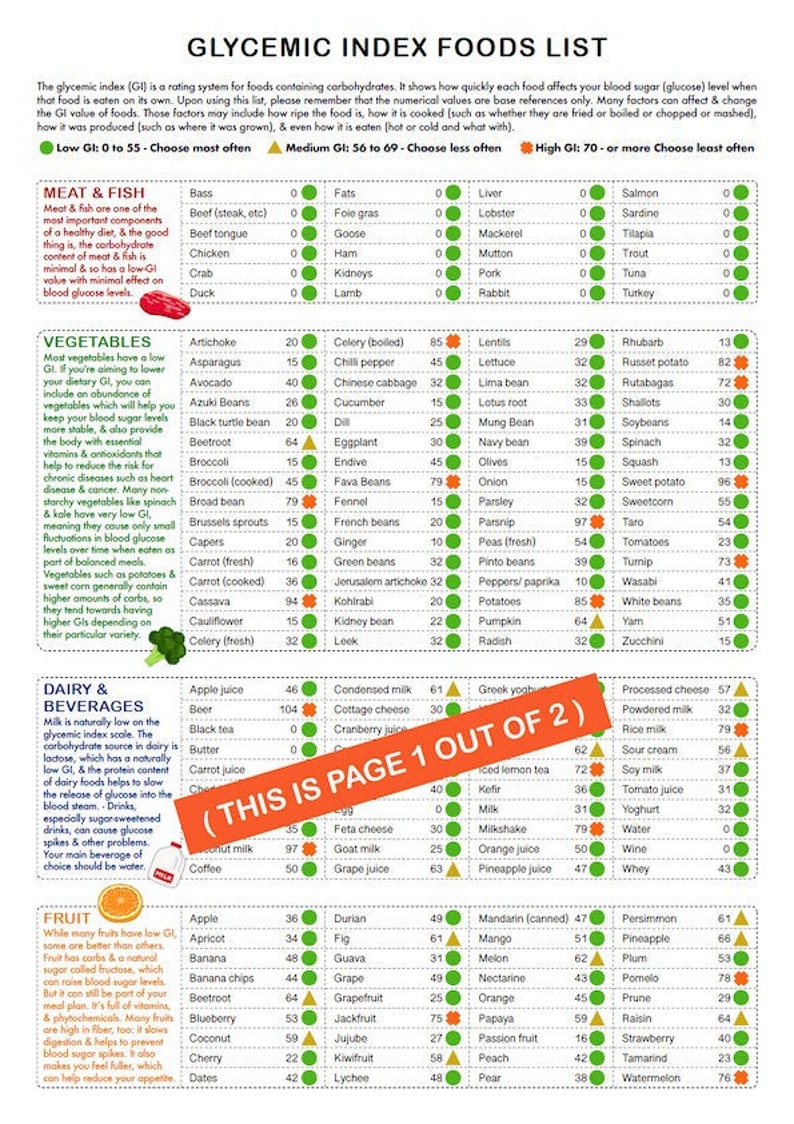
Full Glycemic Index Food List Printable Chart
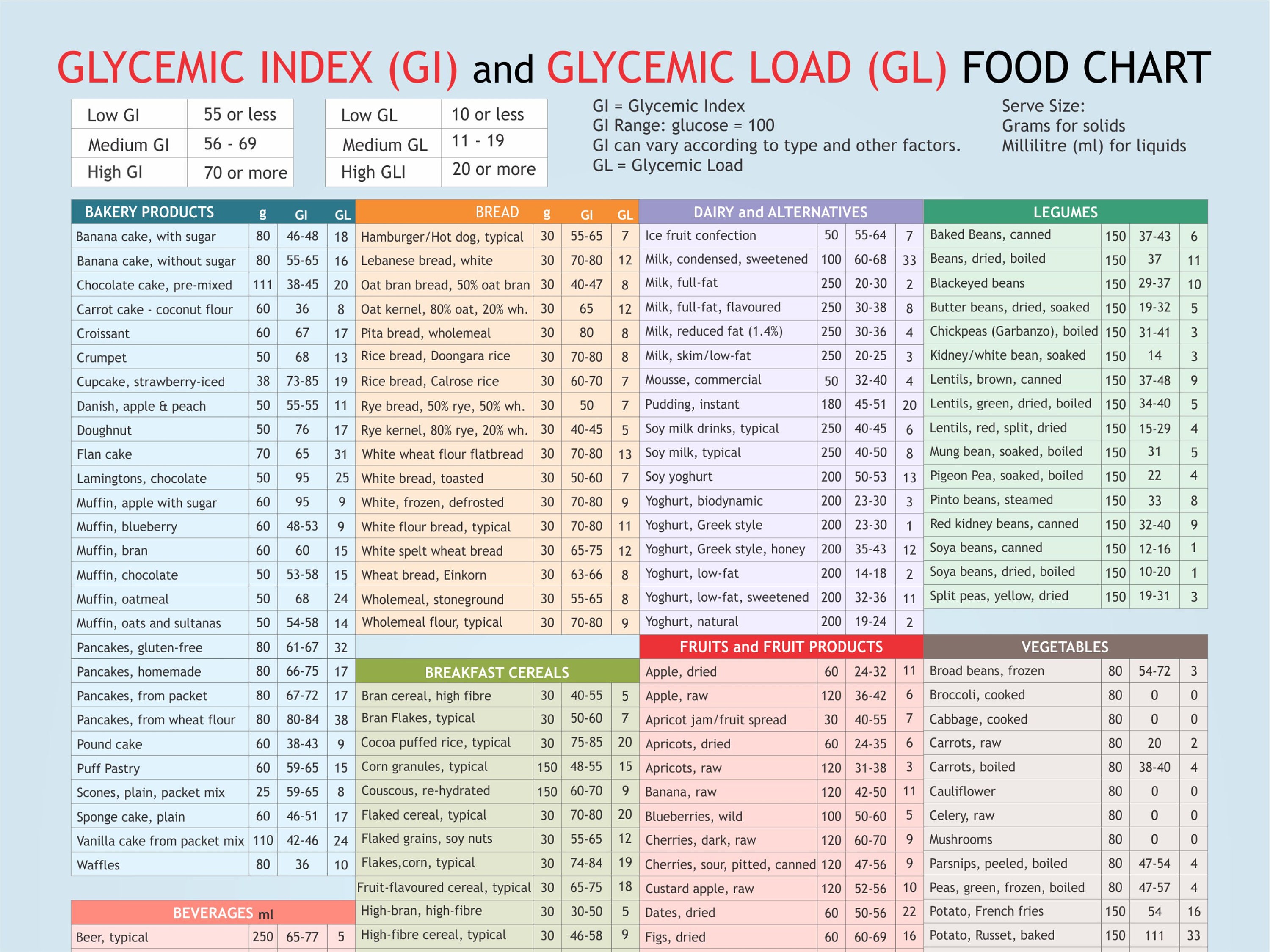
Glycemic Index, Glycemic Load, Food List Chart, Printable Planner
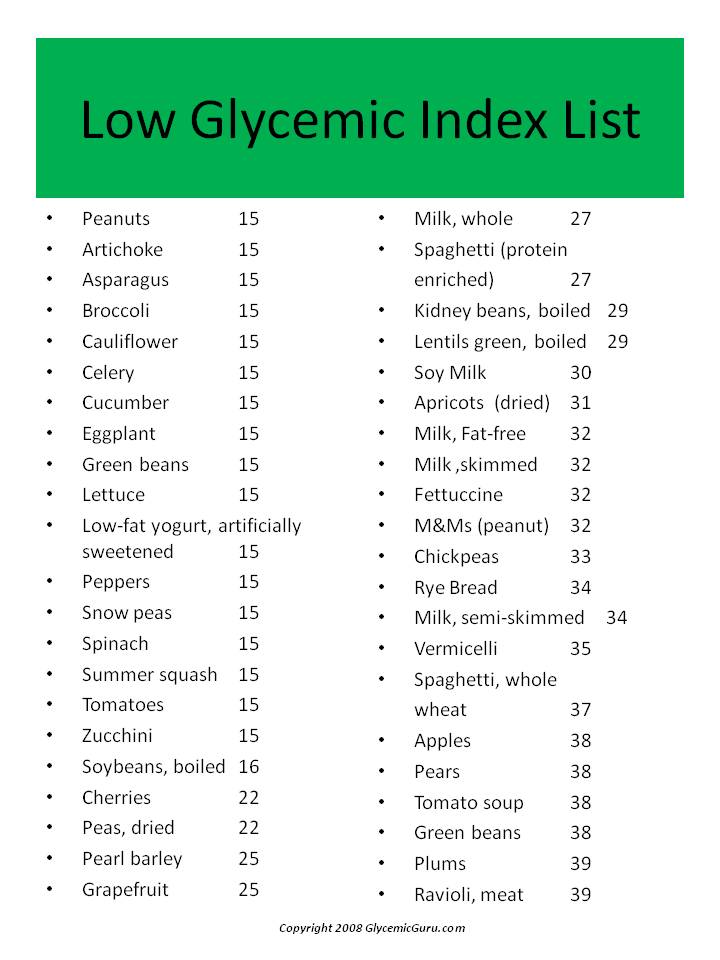
Simple Low Glycemic Index List to Make Wise Food Choices!
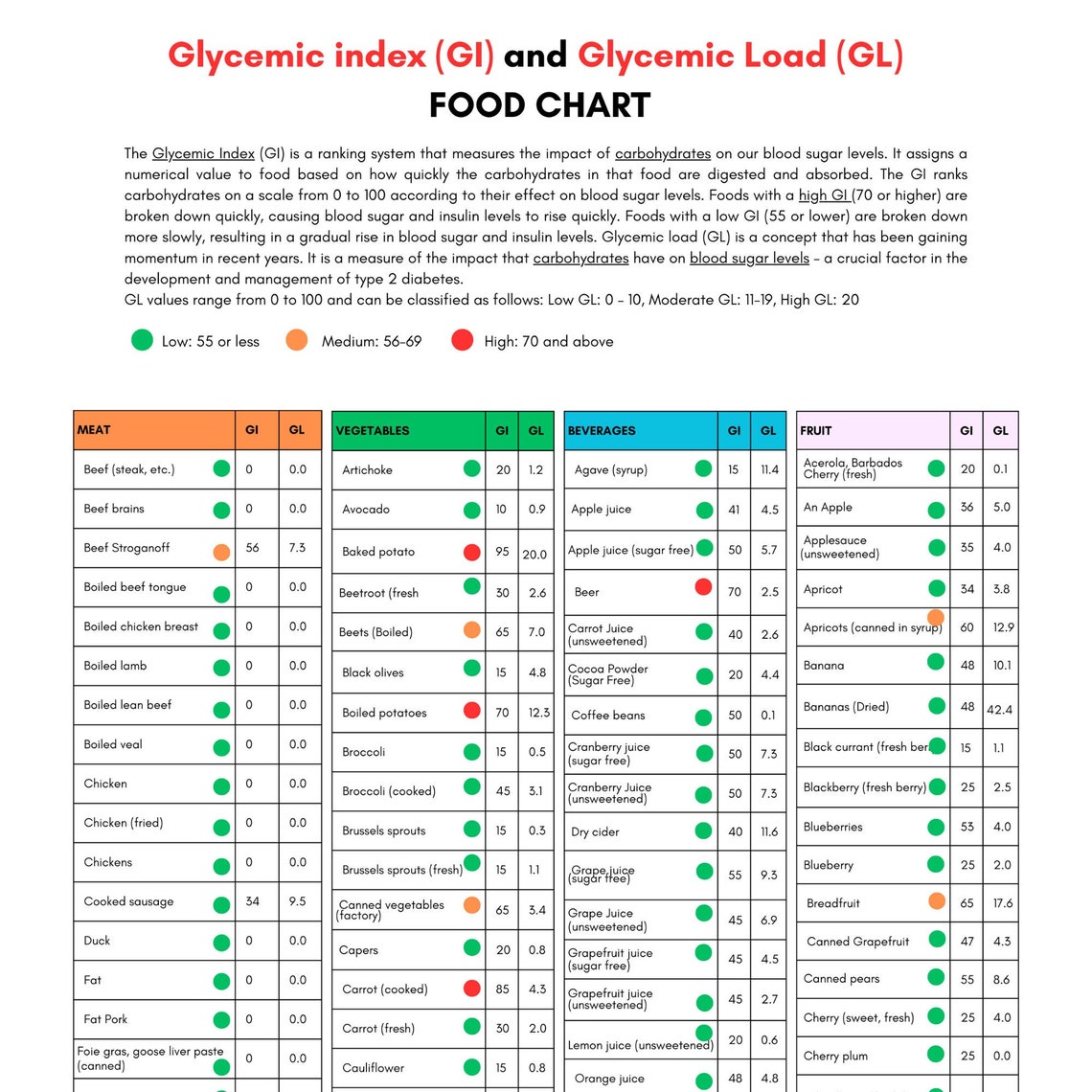
Glycemic Index Food List Printable Glycemic Load Food List Chart
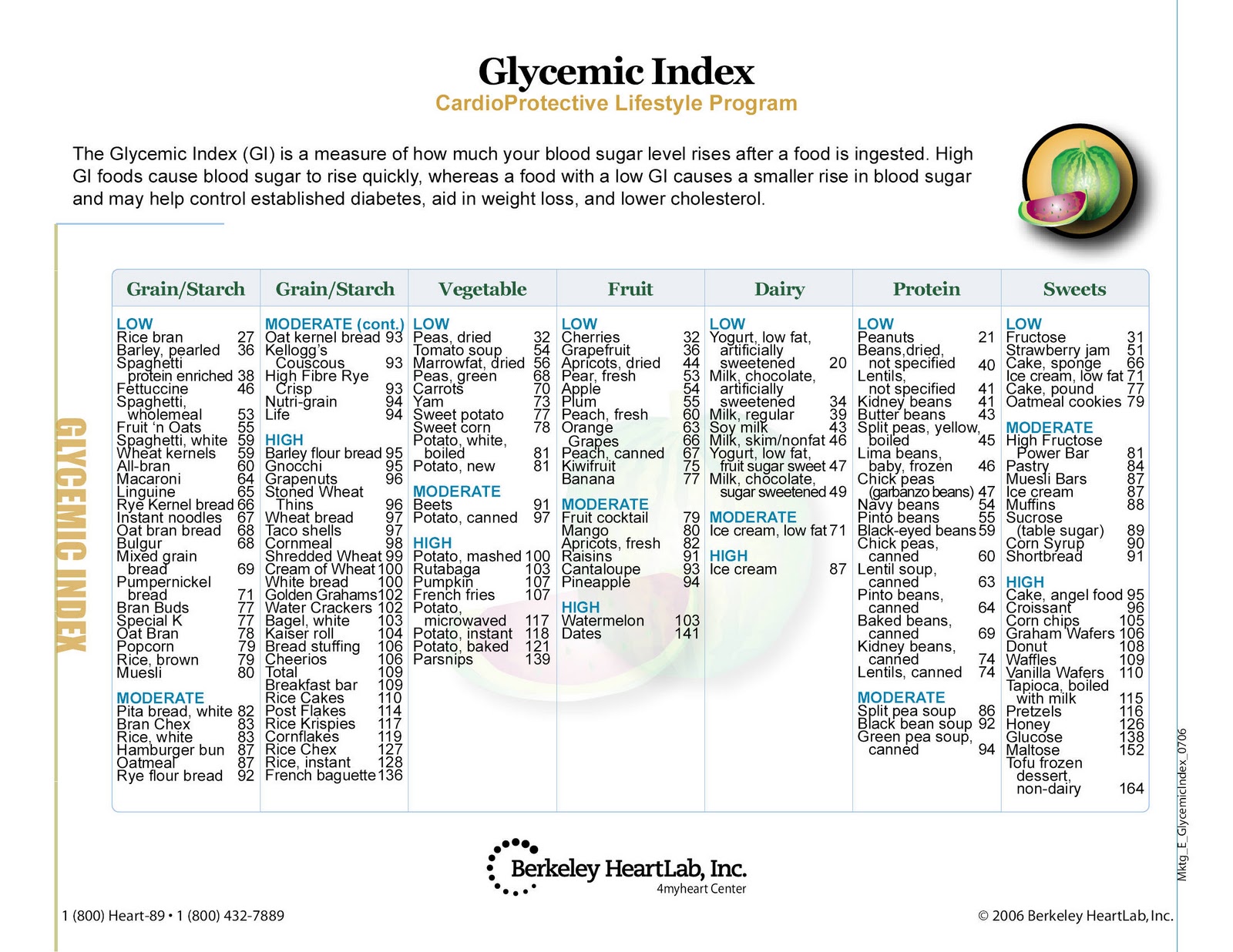
Glycemic Index
Foods Are Categorized As Low Gi (55 Or Less), Medium Gi (56 To 69) And High Gi (70 Or More).
High Glycemic Foods Result In A Quick Spike In Insulin And Blood Sugar (Also Known As Blood Glucose).
The Glycemic Index Classifies Foods That Contain Carbohydrates According To Their Potential To Raise Blood Sugar.
Web Glycemic Index Chart.
Related Post: