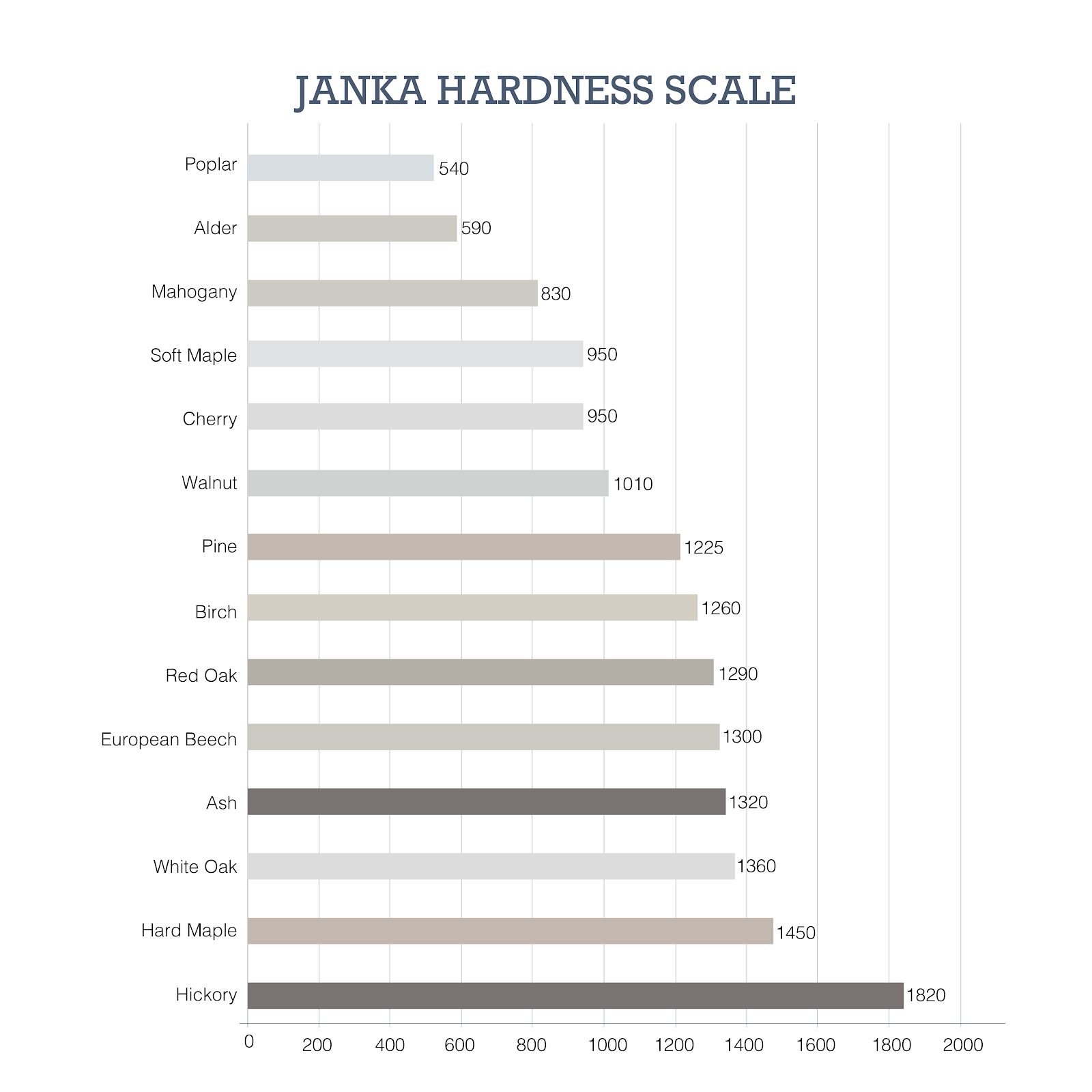
Printable Janka Hardness Scale
Printable Janka Hardness Scale - The janka test measures the amount of force required to embed a 0.444” steel ball into the wood to half its diameter. The janka hardness score helps woodworkers find out how dense a particular species of wood is. Hickory / pecan, satinwood 1820 afzelia / doussie / australian wormy chestnut 1810 bangkirai 1798 rosewood 1780 african padauk 1725 blackwood 1720 merbau 1712 kempas 1710 black locust 1700 highland beech 1686 wenge, red pine, hornbeam 1630 tualang 1624 Janka hardwood scale this scale is the worldwide standard for gauging the ability of various species of wood to endure normal wear and tear. Janka hardness table species hardness relative to american red oak wenge 3680 319% cumaru 3540 307% lapacho/ipe 3342 290% patagonian rosewood 2800 243% jatoba/brazilian cherry 2551 221% mozambique 2220 193% santos mahongay 2200 191% tigerwood 2160 191% sucupira 2140 188% By the same token, it also is a good indicator of how hard or easy a species is to saw or nail. The janka hardness/stability scale charts are used to measure the hardness of different species of wood. Hardness is an important consideration when selecting a suitable timber to match your lifestyle requirement. Brazilian hardwoods rank at the top of the scale for all woods. The janka hardness test measures the resistance of a sample of wood to denting and wear. Explore our wood density chart to see which hardwood is the best for your next project! The janka test measures the amount of force required to embed a 0.444” steel ball into the wood to half its diameter. It measures the force required to embed an 1 1.28mm (.444 in) steel ball into wood to half the bal 's diameter.. The higher the rating, the harder is the species of wood. Ipe and cumaru are some of the worlds hardest woods. The janka test measures the amount of force required to embed a 0.444” steel ball into the wood to half its diameter. Janka hardness table species hardness relative to american red oak wenge 3680 319% cumaru 3540 307% lapacho/ipe. Hickory / pecan, satinwood 1820 afzelia / doussie / australian wormy chestnut 1810 bangkirai 1798 rosewood 1780 african padauk 1725 blackwood 1720 merbau 1712 kempas 1710 black locust 1700 highland beech 1686 wenge, red pine, hornbeam 1630 tualang 1624 The scale measures the force required to embed a.444 inch steel ball to a depth of half the ball’s diameter into. It measures the force required to embed an 1 1.28mm (.444 in) steel ball into wood to half the bal 's diameter. The janka test measures the amount of force required to embed a 0.444” steel ball into the wood to half its diameter. The janka scale is used to determine the relative hardness of particular domestic or exotic wood. This method eaves an indentation. By the same token, it also is a good indicator of how hard or easy a species is to saw or nail. The janka scale is used to determine the relative hardness of particular domestic or exotic wood species. The janka test measures the amount of force required to embed a 0.444” steel ball into. This free printable chart arranges the scores of popular woods by region with a bar chart so you can easily compare the janka scores of your favorite woods. The janka test measures the amount of force required to embed a 0.444 steel ball into the wood to half of its diameter. 3 janka hardness charts are collected for any of. Janka hardwood scale this scale is the worldwide standard for gauging the ability of various species of wood to endure normal wear and tear. Northern red oak, for example. The janka rating system is the process of measuring the relative hardness of wood. By the same token, it also is a good indicator of how hard or easy a species. The janka test measures the amount of force required to embed a 0.444 steel ball into the wood to half of its diameter. If you purchase hardwoods from a retailer that does not utilize This method eaves an indentation. The janka hardness test measures the resistance of a sample of wood to denting and wear. An evaluation of its hardness. Woods with a high score are more resistant to wear. The janka hardness test measures the resistance of a sample of wood to denting and wear. By the same token, it also is a good indicator of how hard or easy a species is to saw or nail. The janka hardness/stability scale charts are used to measure the hardness of. The janka scale is used to determine the relative hardness of particular domestic or exotic wood species. The janka rating system is the process of measuring the relative hardness of wood. It begins with embedding a 0.444 inch steel ball into the wood until half of its diameter has sunk into the wood. A common use of janka hardness ratings. Brazilian hardwoods rank at the top of the scale for all woods. The higher the rating, the harder is the species of wood. This wood hardness list ranks 75 types of wood by their janka rating. A common use of janka hardness ratings is to determine whether a species is suitable for use as flooring. The janka rating system is the process of measuring the relative hardness of wood. This method eaves an indentation. Woods with a high score are more resistant to wear. Hardness is an important consideration when selecting a suitable timber to match your lifestyle requirement. It measures the force required to embed an 11.28mm (.444 in) steel ball into wood to half the ball's diameter leaving an indentation in the wood. Hickory / pecan, satinwood 1820 afzelia / doussie / australian wormy chestnut 1810 bangkirai 1798 rosewood 1780 african padauk 1725 blackwood 1720 merbau 1712 kempas 1710 black locust 1700 highland beech 1686 wenge, red pine, hornbeam 1630 tualang 1624 Janka rating a hardness rating is applied to all timbers that is a measure of the woods resistance to indentation. View, download and print janka hardness scale pdf template or form online. An evaluation of its hardness. By the same token, it also is a good indicator of how hard or easy a species is to saw or nail. 3 janka hardness charts are collected for any of your needs. Northern red oak, for example.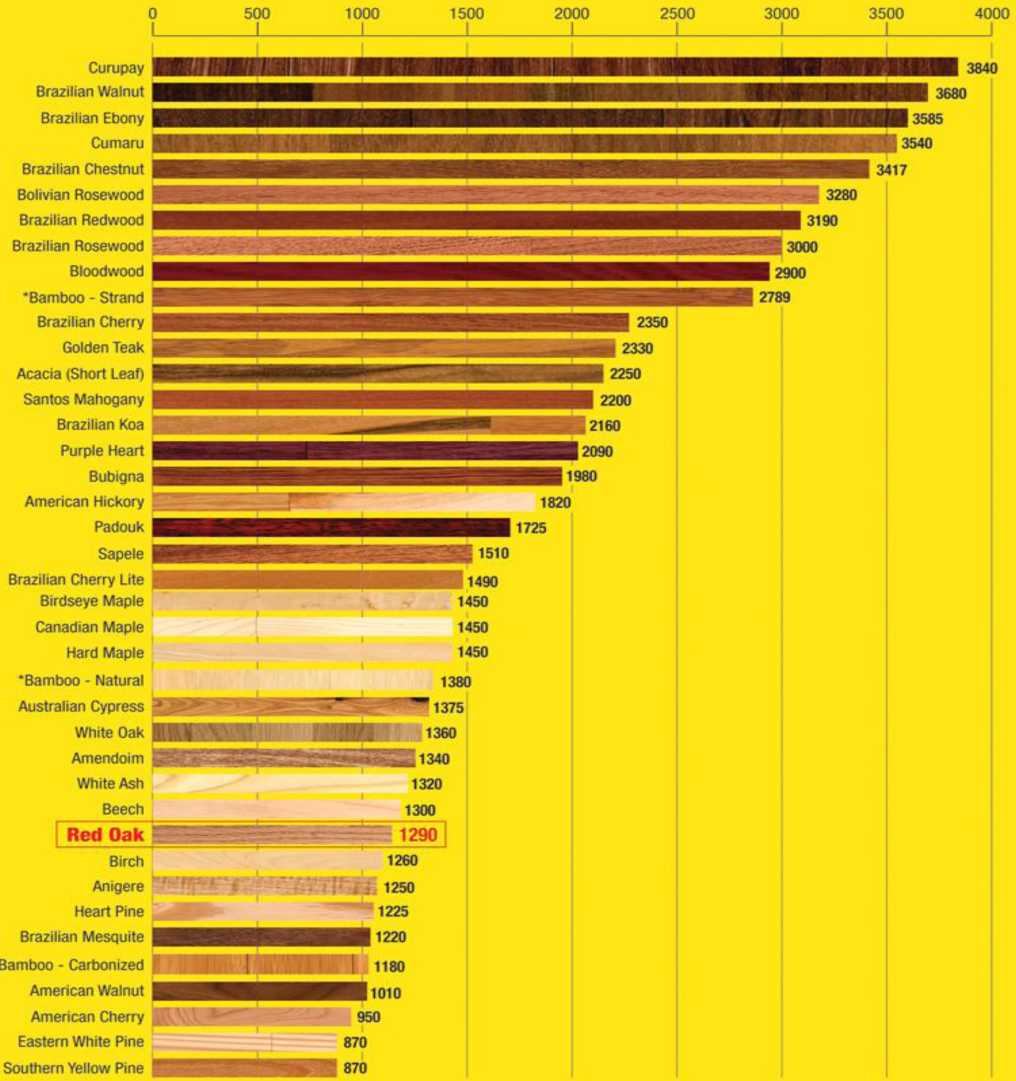
Janka Hardness Test What is a Wood Janka Rating? LL Flooring LL
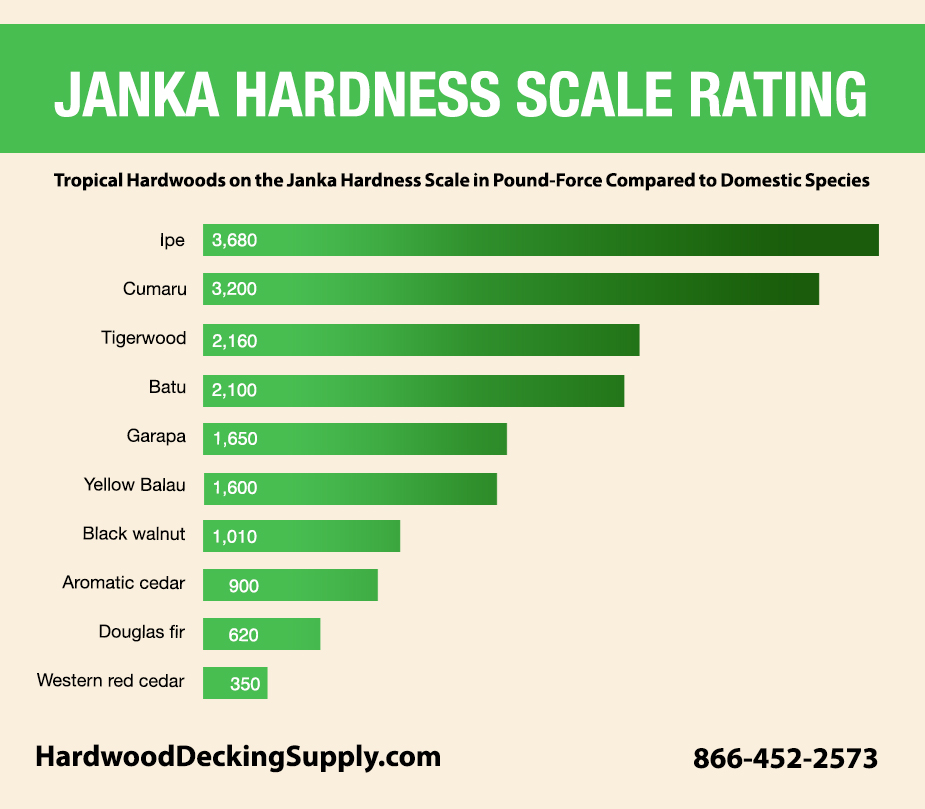
What is the Janka Hardness Scale?
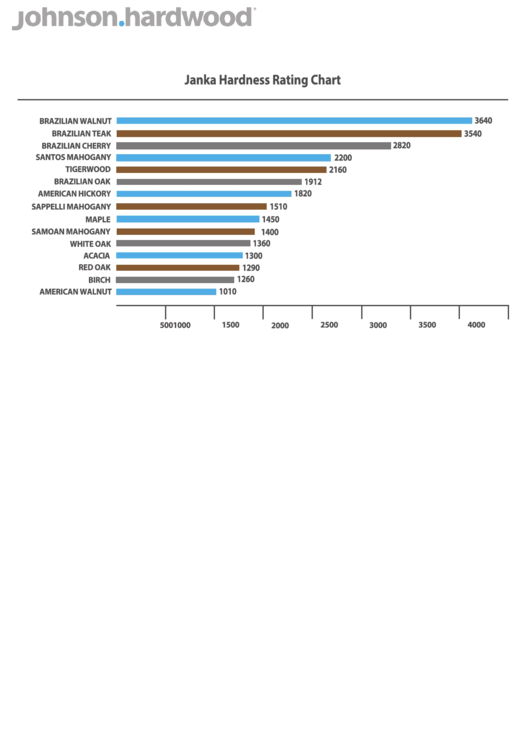
Top Janka Hardness Charts free to download in PDF format
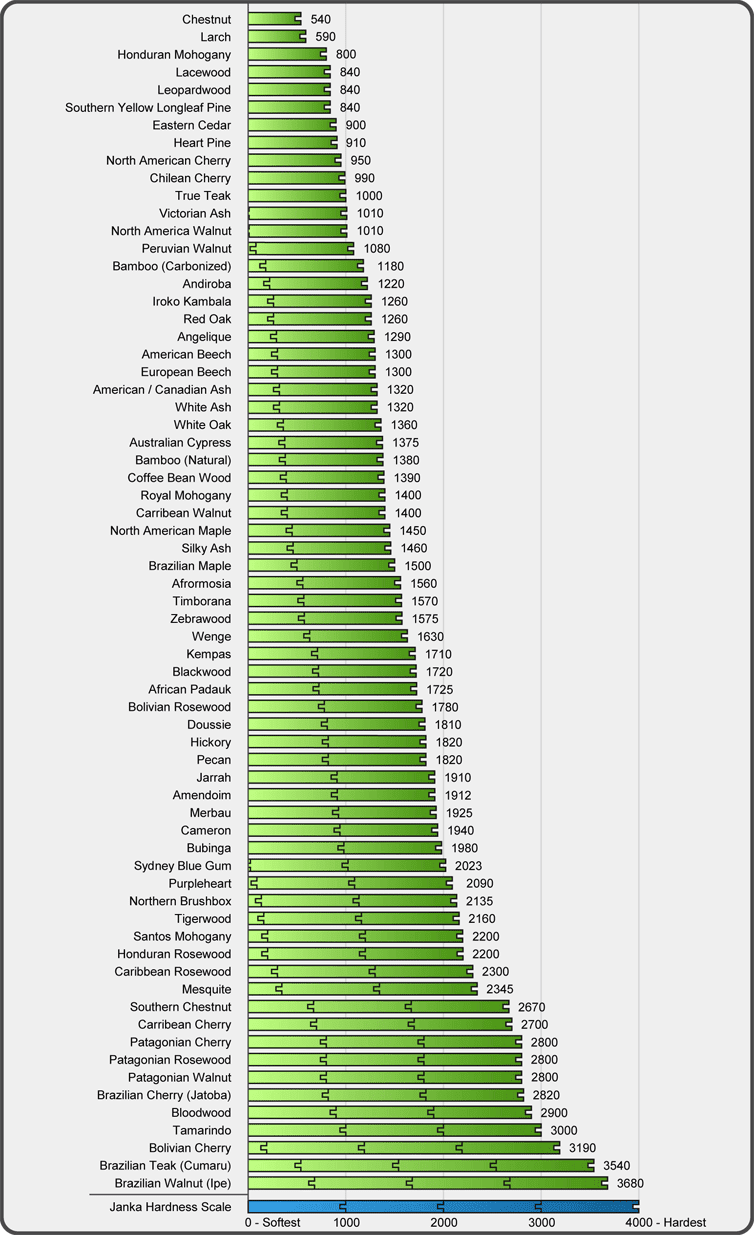
What is a Janka Hardness Rating?
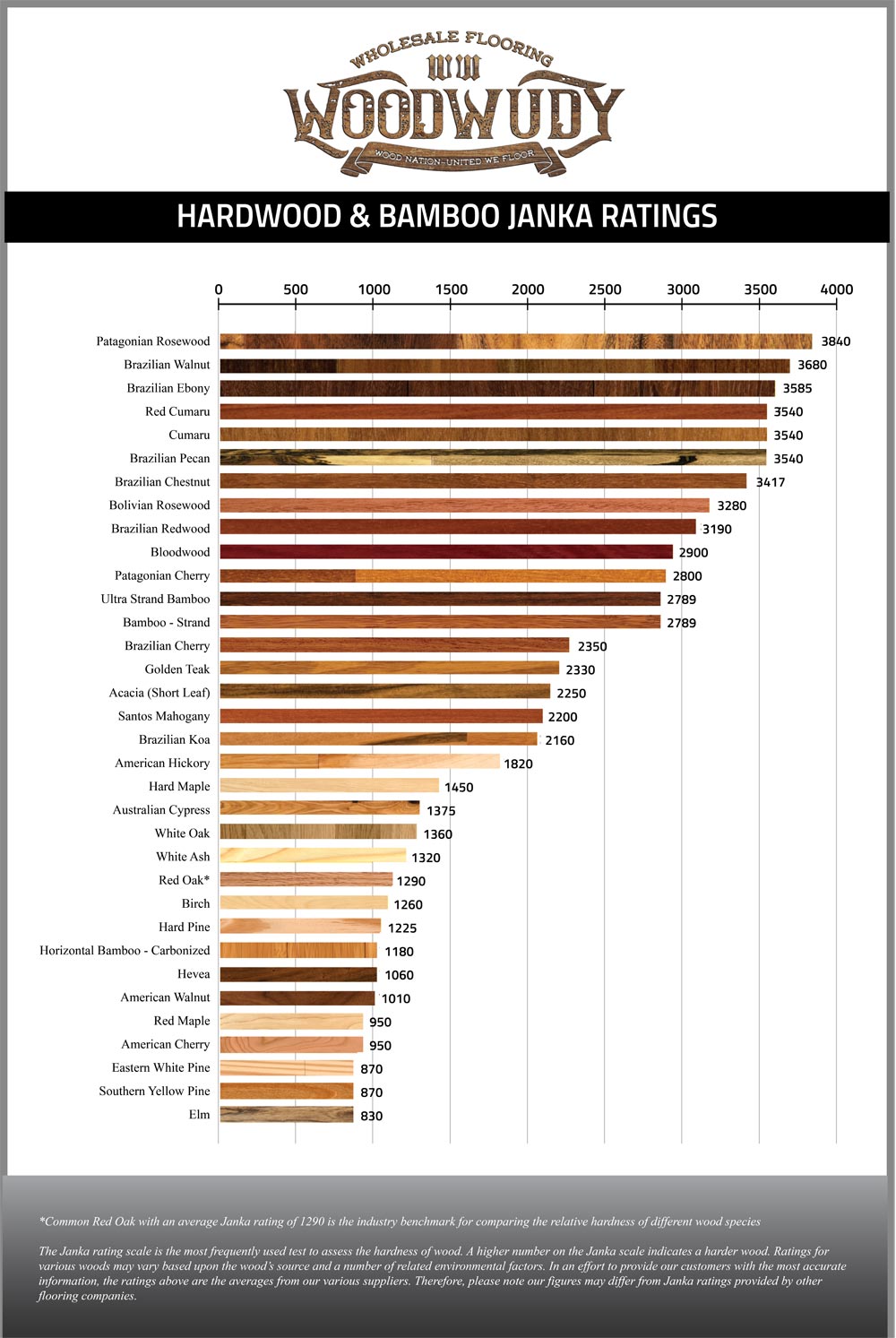
The Janka Wood Hardness Scale Woodwudy Wholesale Flooring
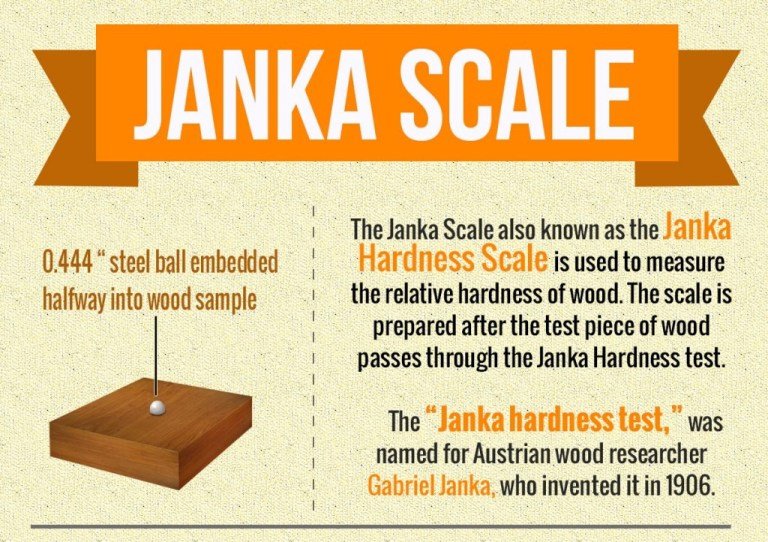
Janka Scale Hardwood Flooring Hardness Guide
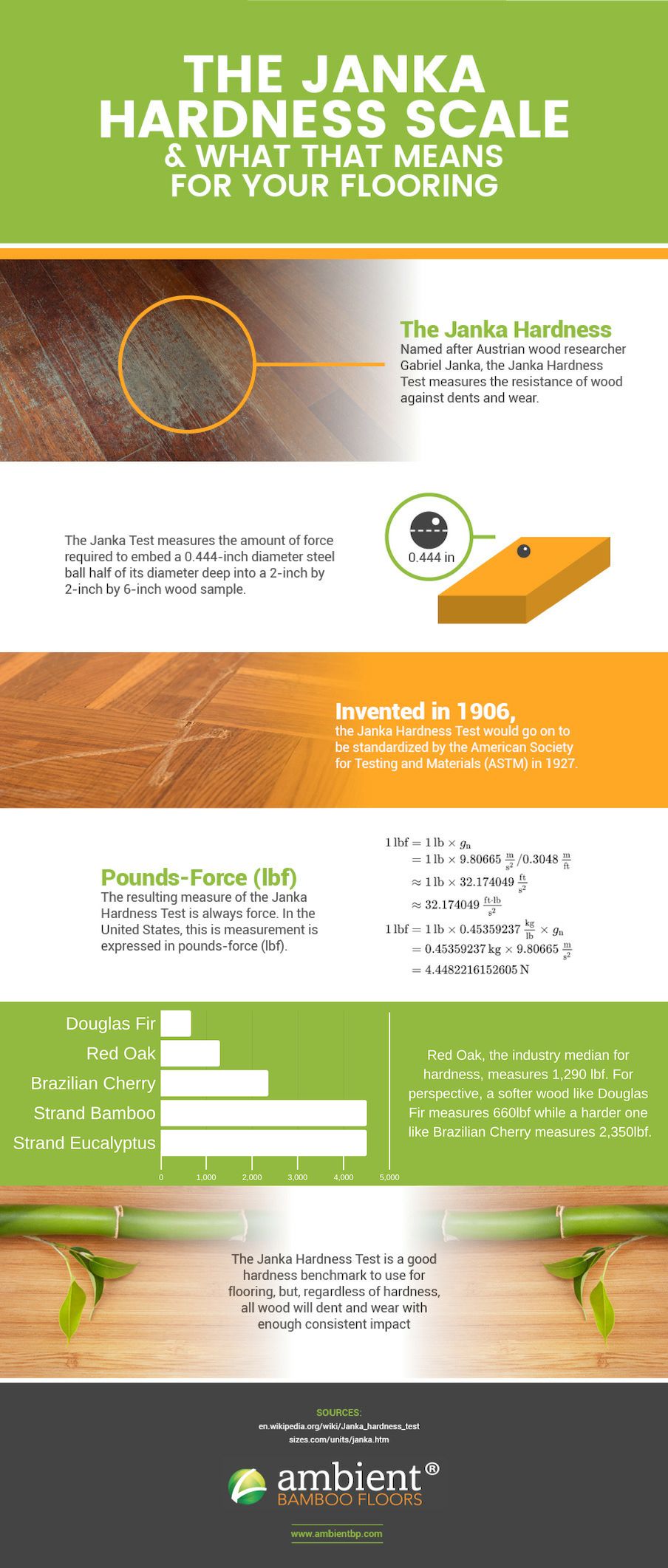
The Janka Hardness Scale and What it Means for Your Floor
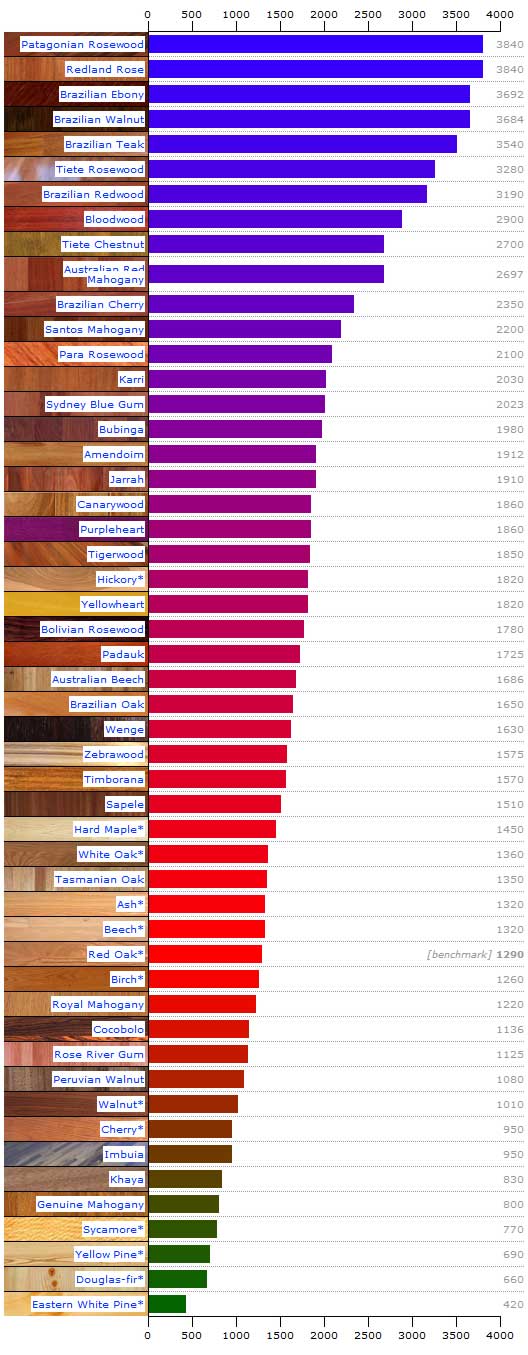
Janka Hardness Scale For Wood Flooring Species Floor Roma
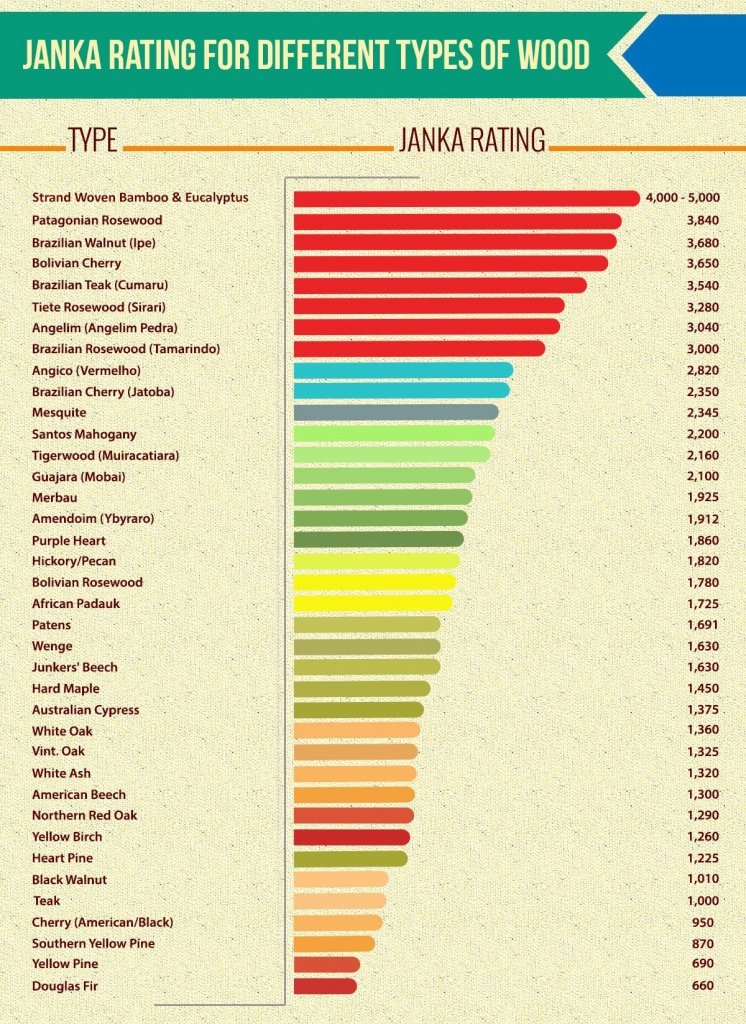
Janka Scale Hardwood Flooring Hardness Guide
Janka Hardness Scale
The Scale Measures The Force Required To Embed A.444 Inch Steel Ball To A Depth Of Half The Ball’s Diameter Into The Wood.
Explore Our Wood Density Chart To See Which Hardwood Is The Best For Your Next Project!
This Test Determines The Relative Hardness Of Particular Wood Species.
It Measures The Force Required To Embed An 1 1.28Mm (.444 In) Steel Ball Into Wood To Half The Bal 'S Diameter.
Related Post: