
Printable Pain Scale Faces
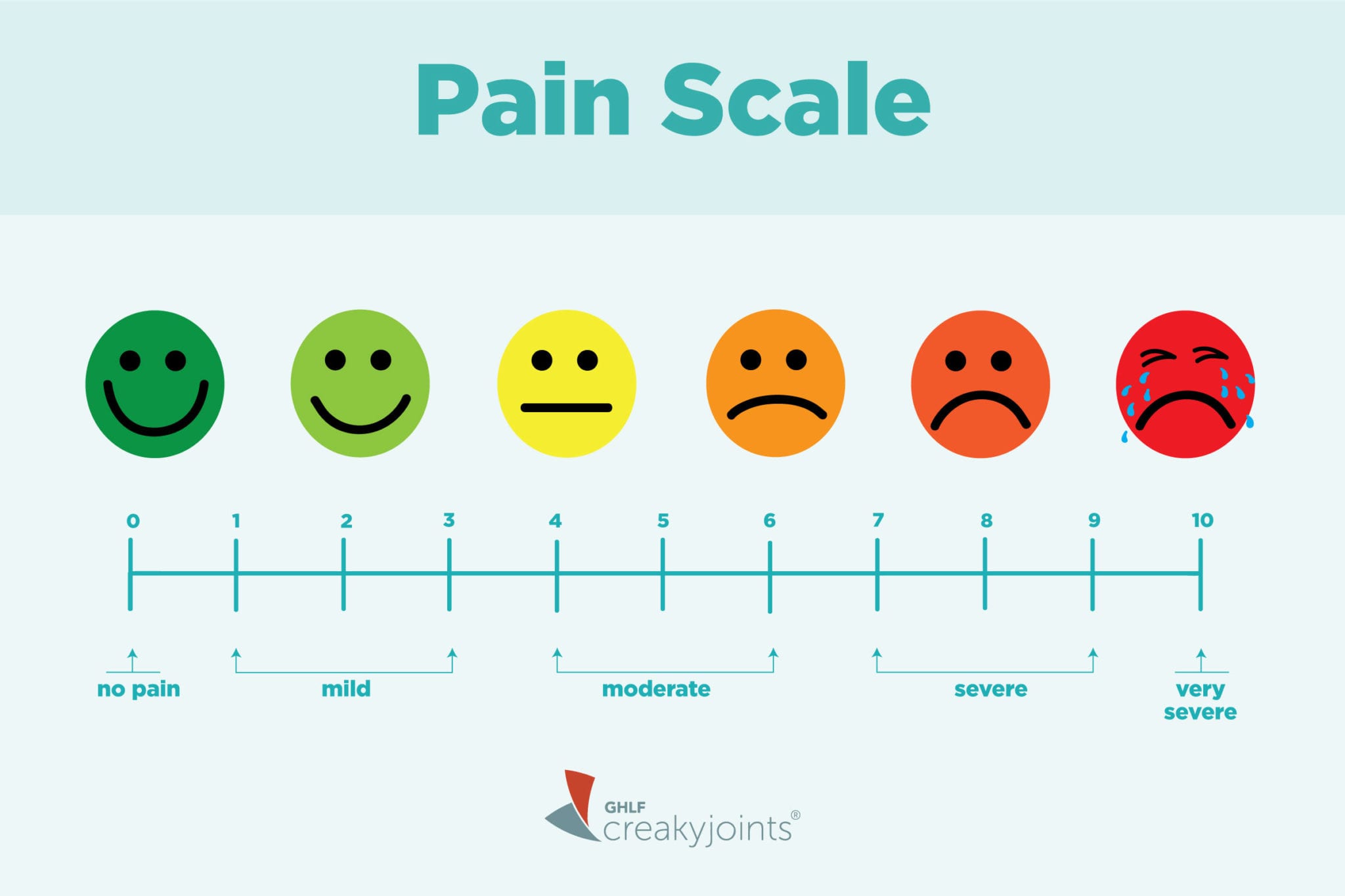
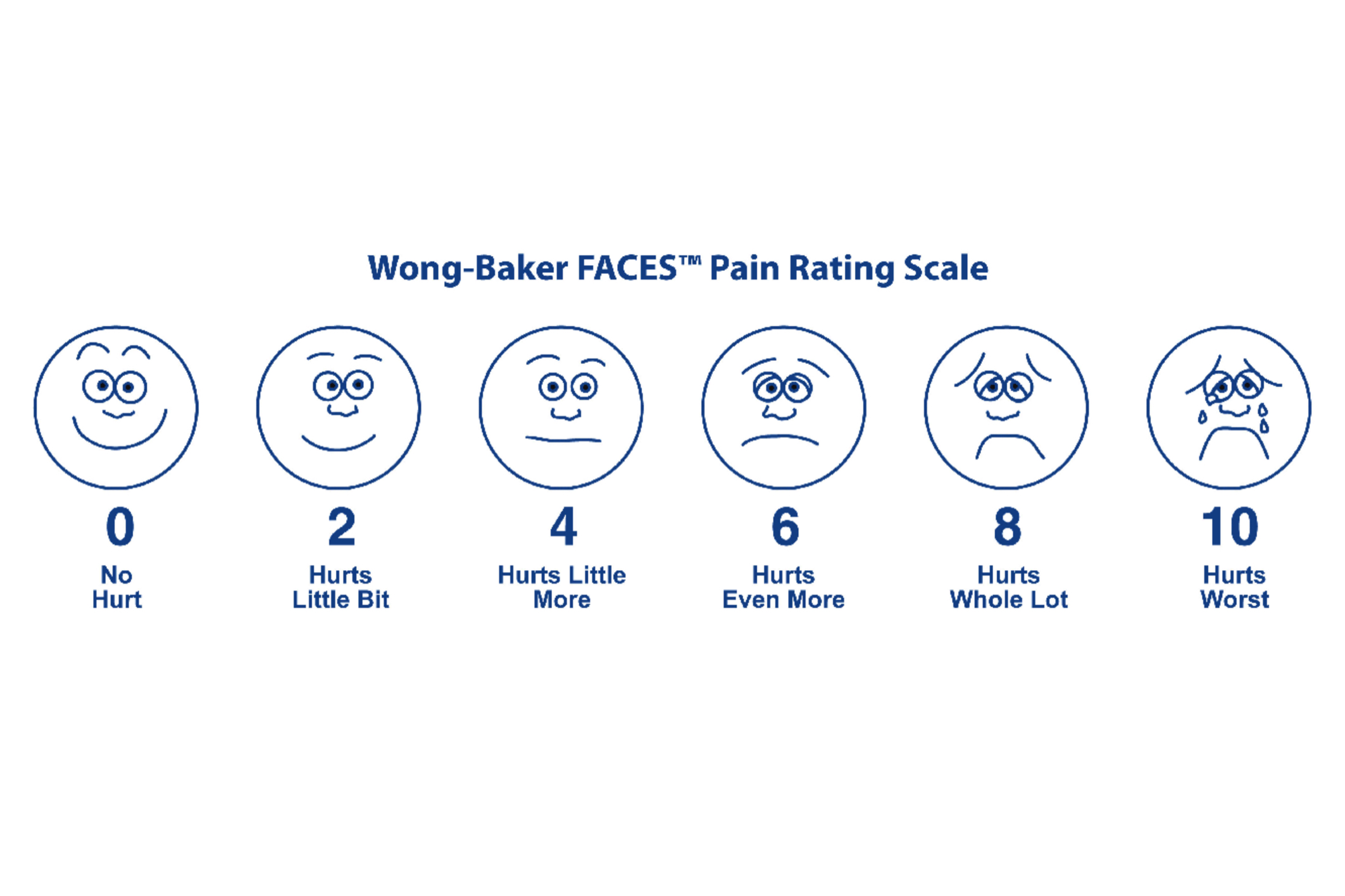
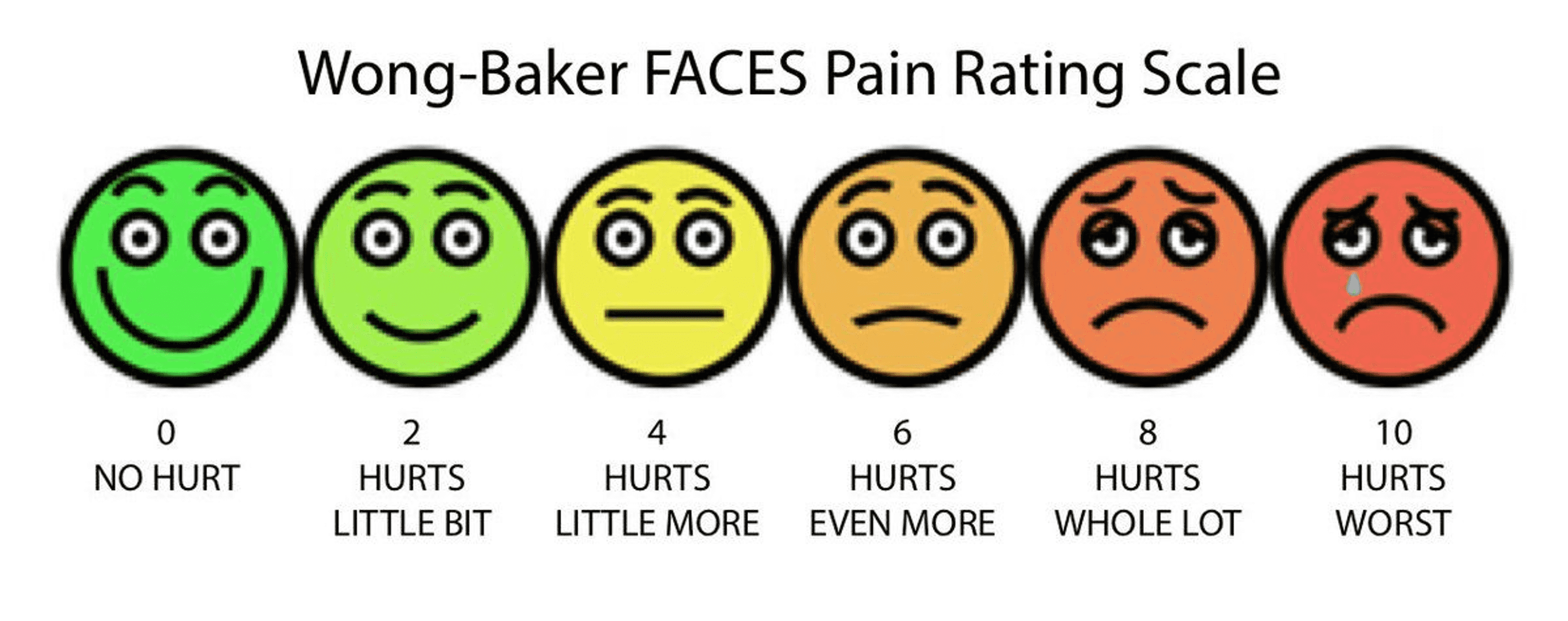
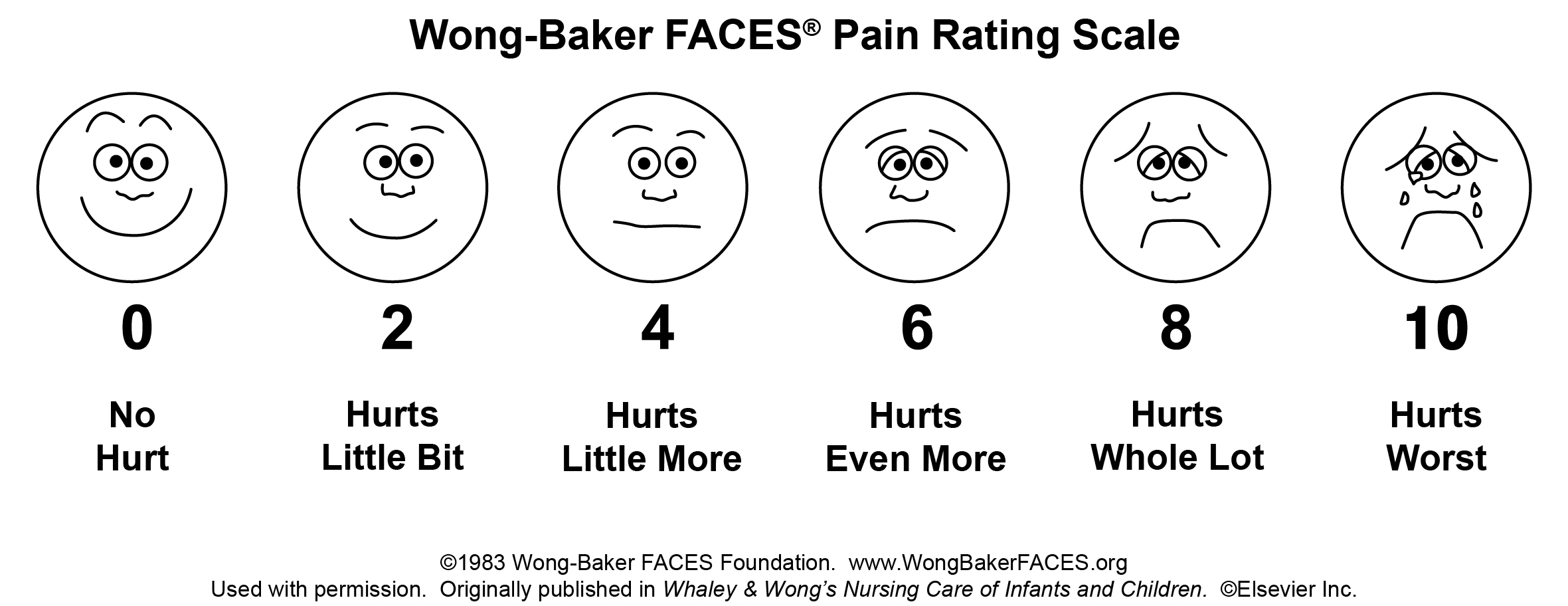
Printable Pain Scale Faces - Point to each face using the words to describe the pain intensity. Face 8 hurt a whole lot. Face 4 hurts a little bit more. This nonverbal assessment relies on facial expressions to assess pain. “the faces show how much pain or discomfort someone is feeling. Point to each face using the words to describe the pain intensity. Each face shows more and more pain and the last face shows the worst pain possible. Ask the person to choose the face that best describes how he is feeling. Face 2 hurts just a little bit. “e” if external or “i” if internal. Point to the face that shows how bad your pain is. Point to each face using the words to describe the pain intensity. Point to each face using the words to describe the pain intensity. The face on the left shows no pain. Ask the person to choose the face that best describes how he is feeling. Ask the child to choose face that best describes own pain and record the appropriate number. “the faces show how much pain or discomfort someone is feeling. Point to each face using the words to describe the pain intensity. Face 8 hurts a whole lot. Ask the person to choose the face that best describes how he is feeling. Point to each face using the words to describe the pain intensity. Ask the person to choose the face that best describes how he is feeling. Point to each face using the words to describe the pain intensity. Face 6 hurts even more. Face 4 hurts a little bit more. Ask the person to choose the face that best describes how he is feeling. Point to each face using the words to describe the pain intensity. Ask the child to choose face that best describes own pain and record the appropriate number. The faces scale is widely used with people ages three and older, not limited to children. “the faces. Fast facts about the faces scale. Face 2 hurts just a little bit. Ask the person to choose the face that best describes how he is feeling. Point to the face that shows how bad your pain is. Point to each face using the words to describe the pain intensity. Face 10 hurts as much as you The faces scale is widely used with people ages three and older, not limited to children. Face 8 hurts a whole lot. Face 4 hurts a little bit more. Point to each face using the words to describe the pain intensity. Point to each face using the words to describe the pain intensity. Rating scale is recommended for persons age 3 years and older. Face 0 doesn’t hurt at all. Rating scale is recommended for persons age 3 years and older. Face 8 hurt a whole lot. Ask the child to choose face that best describes own pain and record the appropriate number. Face 2 hurts just a little bit. The face on the left shows no pain. The faces scale is widely used with people ages three and older, not limited to children. Face 4 hurts a little bit more. Face 8 hurts a whole lot. Explain to the person that each face represents a person who has no pain (hurt), or some, or a lot of pain. Rating scale is recommended for persons age 3 years and older. Point to the face that shows how bad your pain is. Face 2 hurts just a little bit. Point to each face using the words to describe the pain intensity. Ask the person to choose the face that best describes how he is feeling. Ask the child to choose face that best describes own pain and record the appropriate number. “the faces show how much pain or discomfort someone is feeling. Choose the face that best describes how. Ask the person to choose the face that best describes how he is feeling. Using this free printable faces pain scale, you can better identify and manage pain to reduce discomfort and work towards improved healthcare experiences. Face 2 hurts just a little bit. Face 0 doesn’t hurt at all. “the faces show how much pain or discomfort someone is feeling. Face 4 hurts a little bit more. Face 8 hurts a whole lot. The faces scale is widely used with people ages three and older, not limited to children. “e” if external or “i” if internal. Rating scale is recommended for persons age 3 years and older. Explain to the person that each face represents a person who has no pain (hurt), or some, or a lot of pain. Face o doesn't hurt at all. Ask the child to choose face that best describes own pain and record the appropriate number. Point to each face using the words to describe the pain intensity. This nonverbal assessment relies on facial expressions to assess pain. Choose the face that best describes how he is feeling.
Printable Faces Pain Scale

Printable Faces Pain Scale
Free Printable Pain Scale Chart 110
Printable Faces Pain Scale

Printable Pain Scale With Faces
Face Pain Scale Printable

Printable Faces Pain Scale

Printable Pain Scale Faces
Printable Pain Scale With Faces

Printable pain scale faces 1 10 delightvsa
Ask The Child To Choose Face That Best Describes Own Pain And Record The Appropriate Number.
Fast Facts About The Faces Scale.
Face 10 Hurts As Much As You
Point To Each Face Using The Words To Describe The Pain Intensity.
Related Post: