
Printable Turning And Repositioning Chart
Printable Turning And Repositioning Chart - Have each person stand on opposite sides of the bed. The clock serves as a reminder to all. Select the document you want to sign and click upload. Ensure patient’s braden assessment is up to. 78% of respondents have a turning/repositioning protocol in their facilities, and 44% have initiatives to. Teach or do frequent small shifts of body weight. Use manual handling aids to minimise risk of friction and shear e.g. Plan your patient’s daily turning and movement regime. Turning refers to repositioning a hospital patient or bedridden nursing home resident to relieve. Web the following tips will help you fill out uk judy waterlow turning chart quickly and easily: Teach or do frequent small shifts of body weight. 78% of respondents have a turning/repositioning protocol in their facilities, and 44% have initiatives to. Web identify those patients at risk for developing pressure ulcers and post the turn clock on the doors to the rooms for those patients. Identify pressure areas, which are at risk. Have each person stand on. Grab the slide sheet or draw sheet at. 78% of respondents have a turning/repositioning protocol in their facilities, and 44% have initiatives to. Turning refers to repositioning a hospital patient or bedridden nursing home resident to relieve. Use manual handling aids to minimise risk of friction and shear e.g. Identify pressure areas, which are at risk. Using the 30 degree tilt. Ensure patient’s braden assessment is up to. Identify pressure areas, which are at risk. Web the goal is to pull, not lift, the patient toward the head of the bed. Use manual handling aids to minimise risk of friction and shear e.g. Select the document you want to sign and click upload. Web confirmed that patient turning and repositioning is a major priority. Identify pressure areas, which are at risk. 78% of respondents have a turning/repositioning protocol in their facilities, and 44% have initiatives to. Have each person stand on opposite sides of the bed. Ensure patient’s braden assessment is up to. Use manual handling aids to minimise risk of friction and shear e.g. The clock serves as a reminder to all. Turning refers to repositioning a hospital patient or bedridden nursing home resident to relieve. Using the 30 degree tilt. Have each person stand on opposite sides of the bed. Web the goal is to pull, not lift, the patient toward the head of the bed. Ensure patient’s braden assessment is up to. Web turning is the universally acknowledged best method for bed sore prevention. Web the following tips will help you fill out uk judy waterlow turning chart quickly and easily: Web identify those patients at risk for developing pressure ulcers and post the turn clock on the doors to the rooms for those patients. Use manual handling aids to minimise risk of friction and shear e.g. Identify pressure areas, which are at risk. Grab the slide sheet or draw sheet at. Web confirmed that patient turning and repositioning is a major priority. Using the 30 degree tilt. Plan your patient’s daily turning and movement regime. Turning refers to repositioning a hospital patient or bedridden nursing home resident to relieve. 78% of respondents have a turning/repositioning protocol in their facilities, and 44% have initiatives to. Web this assignment is designed to help you or a caregiver organize your turn schedule for when you go to bed at night or while in bed for extended periods of time.
Turn and Reposition Log Fill and Sign Printable Template Online US

Turning And Repositioning Chart Fill Online, Printable, Fillable
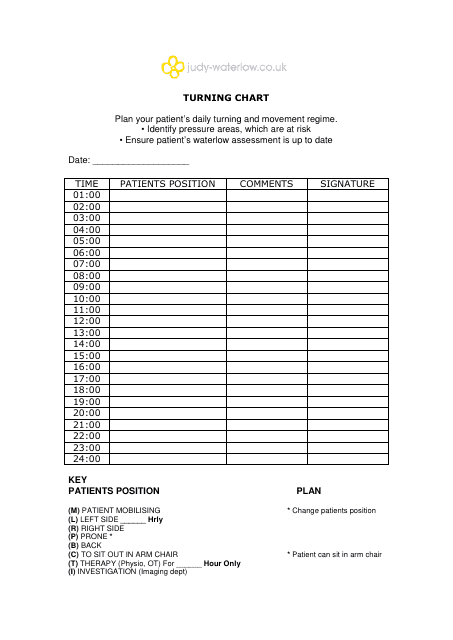
Hourly Patient Turning Chart Download Printable PDF Templateroller
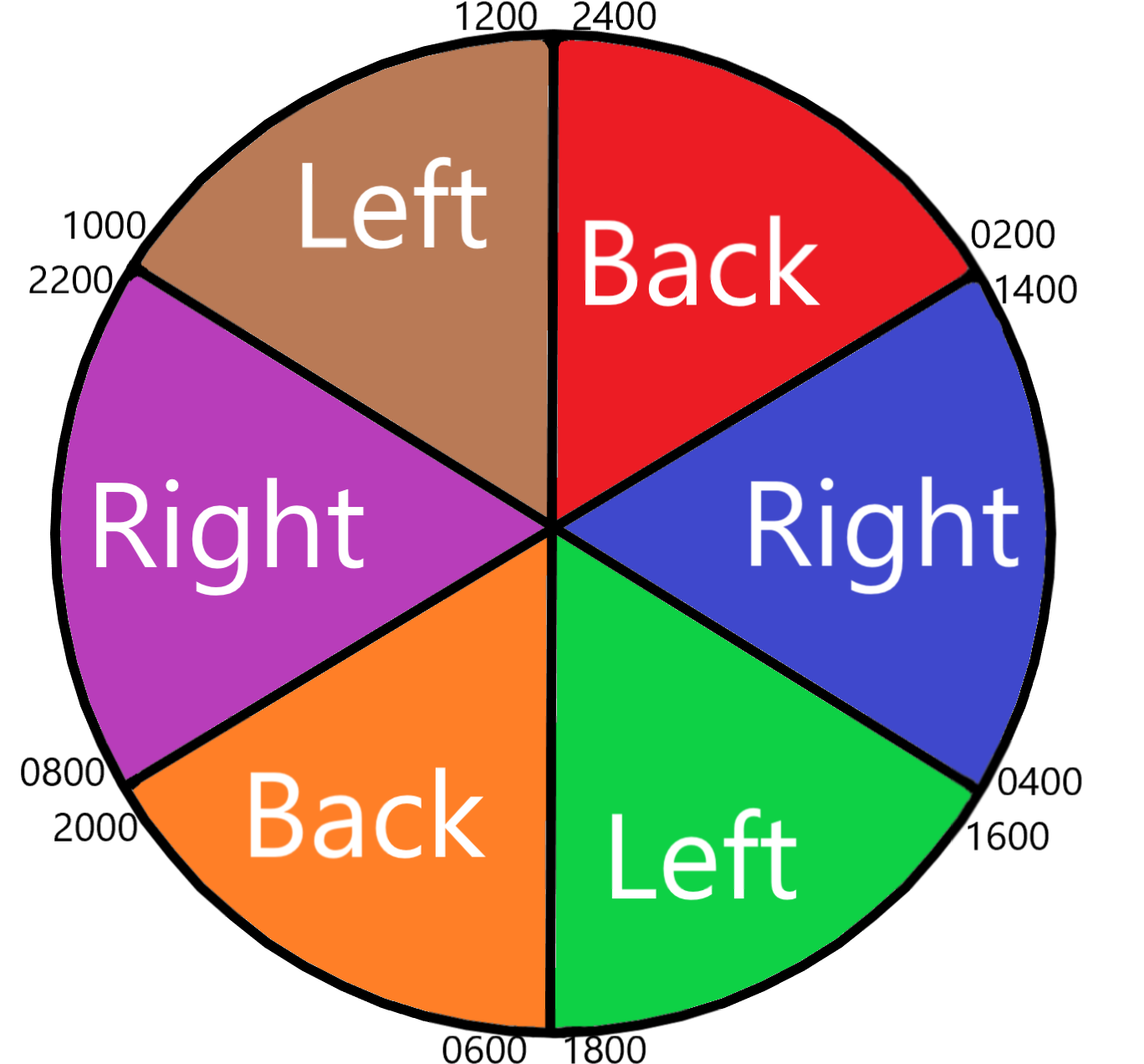
How to Reposition a Patient Properly Caregiverology
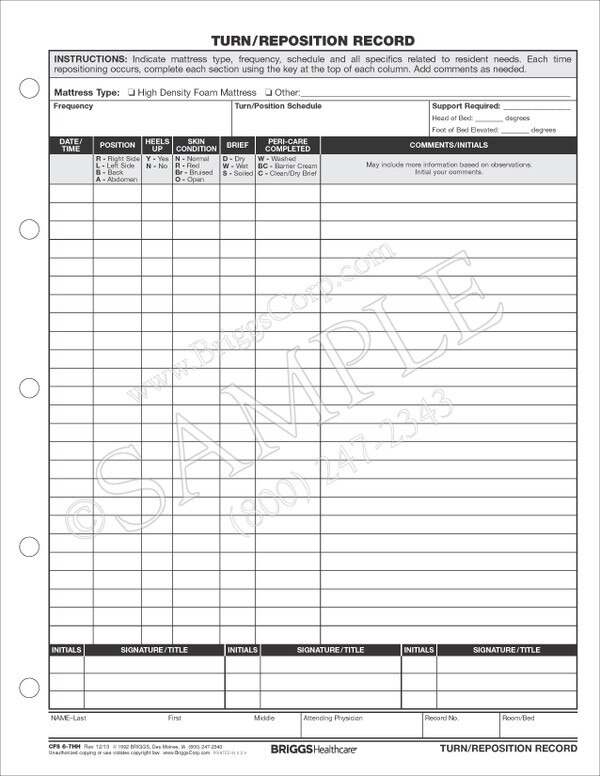
Turn/Reposition Record Form Side Punched
Web Reposition The Patient/Client To Reduce The Risk Of Further Damage, E.g.
The Clock Serves As A Reminder To All.
Select The Document You Want To Sign And Click Upload.
Teach Or Do Frequent Small Shifts Of Body Weight.
Related Post: